How Do Lawyers Prove Brain Injuries in Personal Injury Cases



Book a consultation and contact to our lawyers
.webp)
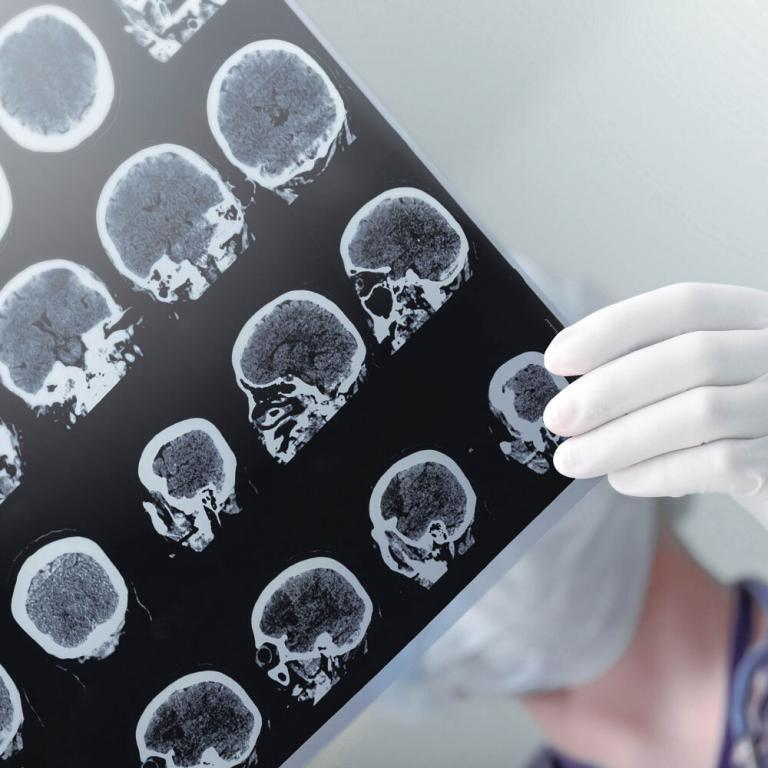
Brain injuries are among the most serious and life-altering outcomes of any accident. They are also among the most difficult injuries to prove in a legal setting. Unlike a broken bone that shows clearly on an X-ray, brain injuries can be invisible on standard imaging, fluctuate in severity from day to day, and produce symptoms that insurance companies and defense lawyers routinely attempt to minimize or dismiss.
If you or someone you care about has suffered a traumatic brain injury after a car accident, a motorcycle crash, an 18-wheeler collision, or any other serious incident, understanding how lawyers actually build the evidence to support a brain injury claim is genuinely important. It helps you understand what the process entails, why certain steps matter, and how you can support your own case.
Why Brain Injuries Are Difficult to Prove
Before exploring how lawyers prove brain injuries, it helps to understand why they are so difficult. The main issue is that injury severity doesn’t always match imaging results; even significant TBIs can appear normal on an MRI to an untrained eye, a challenge also common in whiplash lawyer in New Orleans cases.
This happens for several reasons:
- Standard imaging is not always sensitive enough to detect the microscopic damage that occurs in many TBI cases
- Diffuse axonal injury, where nerve fibers of the brain are stretched or torn at a microscopic level, often does not appear on routine scans
- Symptoms can fluctuate from day to day, making it harder to establish a consistent clinical picture
- Many brain injury symptoms overlap with conditions that opposing parties claim are unrelated to the accident
Insurance companies often dispute these symptoms as exaggerated or pre-existing. Since scans may not clearly show injury and symptoms are subjective, these cases are complex, making an experienced brain injury lawyer important.
The Types of Evidence Used in Brain Injury Cases
A well-prepared brain injury claim does not rest on a single piece of evidence. It is built from multiple sources, including spinal disc injuries, that together create a comprehensive and credible picture of what happened, what the injury is, and what impact it has on the person's life.
Here is an overview of the main categories of evidence used:
Each of these plays a specific role, and a competent brain injury lawyer will work to gather and present all of them in a way that builds a coherent and compelling case.
Neuropsychological Testing
One of the most important and often misunderstood forms of evidence in a brain injury or product liability case is neuropsychological testing. This is a comprehensive battery of standardized tests, administered by a neuropsychologist, that measures how the brain functions in practical terms.
Neuropsychological testing evaluates a wide range of cognitive functions, including:
- Memory: Both short-term and long-term recall, and the ability to form new memories
- Attention and concentration: The ability to focus on tasks and filter out distractions
- Processing speed: How quickly the brain can receive, interpret, and respond to information
- Executive function: Planning, problem-solving, decision-making, and impulse control
- Language: Word-finding, comprehension, and verbal fluency
- Visuospatial skills: The ability to perceive and process visual information accurately
- Emotional regulation: Mood stability, anxiety levels, and psychological functioning
Why does this matter legally? Neuropsychological tests provide objective, measurable evidence of cognitive deficits that are difficult to challenge and include validity checks, making them highly influential in settlements and court cases.
Neurologist Testimony and Expert Witnesses
Medical evidence alone does not prove a brain injury case. That evidence needs to be explained, interpreted, and connected to the accident in question. This is where the testimony of neurologists and expert witnesses becomes critical.
The Role of a Treating Neurologist
A treating neurologist is the doctor who has been directly involved in diagnosing and treating the injured person. Their testimony is valuable because:
- They have a firsthand clinical relationship with the patient over time
- Their observations are documented in medical records that support their testimony
- They can speak to the progression of symptoms and the impact of treatment
- Their credibility as a treating physician rather than a hired expert is generally viewed favorably
The Role of an Independent Medical Expert
In many brain injury cases, including motorcycle accidents, the lawyer will also retain an independent expert neurologist or neurosurgeon to review the evidence and provide testimony. Here is why this matters:
- An independent expert can review all available imaging and testing with fresh eyes
- They can provide an opinion on causation, connecting the specific accident to the specific injury
- They can counter the testimony of experts hired by the defense
- They can explain complex medical concepts to a jury in accessible terms
The Importance of Medical Records and Treatment History
One of the most fundamental pieces of evidence in any brain injury case is the complete medical record from the time of the accident forward. A thorough medical record serves several important functions:
- It establishes the timeline of symptoms and treatment from the earliest possible point
- It shows consistency between what the injured person reported to doctors and what they are claiming in their legal case
- It documents the progression of the injury and any complications or secondary conditions that developed
- It provides a foundation for expert witnesses to base their opinions on
- It demonstrates that the injured person sought and followed through with appropriate medical care
A brain injury lawyer will typically request records from all treating providers, including ERs, physicians, neurologists, neuropsychologists, and therapists. Consistent care is important, as gaps or delays can be used by defense teams to argue the injury is not serious.

How Accident Circumstances Connect to the Injury
Proving that a brain injury exists is only part of what a lawyer needs to do. They also need to prove that the accident in question caused the injury. This is called establishing causation, and it is often a significant battleground in brain injury litigation.
Common accident types that lead to brain injury claims include:
- Car accidents and auto collisions: The force of impact, airbag deployment, and head contact with interior surfaces all contribute to TBI risk
- 18-wheeler and commercial truck accidents: The size and weight differential in these crashes often results in catastrophic forces that cause severe brain trauma
- Motorcycle accidents: Even with helmet use, the exposure of motorcycle riders makes them particularly vulnerable to head injuries
- Slip and fall incidents: Particularly falls from height or onto hard surfaces
- Fire and explosion injuries: Last waves from explosions can cause traumatic brain injury even without direct head contact
- Product liability incidents: Defective safety equipment, vehicles with design flaws, or industrial products that fail can all contribute to brain injury
You can also visit our local office for a free case review and in-person consultation.
Frequently Asked Questions
What does a brain injury lawyer actually do in a TBI case?
A brain injury lawyer handles the entire legal process, including evidence collection, expert witness testimony, insurance negotiations, and court representation if needed. They understand the medical complexity and how to present it effectively.
How is a concussion different from a traumatic brain injury in legal terms?
A concussion is a mild form of TBI, but it can still support a strong claim if it causes lasting symptoms. The focus is on documented impact on daily life, supported by medical evidence.
Do I need a neurologist for my brain injury claim?
A neurologist is highly important for diagnosis, treatment, and expert testimony. Lawyers often work with treating neurologists and may also use independent experts.
What if my brain injury does not show up on an MRI?
Normal MRIs are common in TBI cases and don’t rule out injury. Lawyers rely on advanced imaging, neuropsychological testing, and expert analysis to prove the condition.
How long do brain injury cases typically take to resolve?
These cases often take 1–3 years due to medical complexity and the need to understand long-term effects. Settling too early can undervalue the claim.
Can I file a brain injury claim after a car accident if the injury was not immediately diagnosed?
Yes. Symptoms can appear later, and claims can still be filed if medical evidence links them to the accident.
Final Thoughts
Proving a brain injury in a personal injury case requires strong medical evidence, expert testimony, documentation, and legal strategy. Since many brain injuries are not visible, they can be difficult to prove, but not impossible with the right approach.
Whether it’s from a car accident in New Orleans, an 18-wheeler crash, a motorcycle accident, or a product liability case, the strength of your claim depends on how well evidence is gathered early.
Understanding this process helps you ask the right questions and make informed decisions about your case. Contact us to discuss your situation and get legal guidance on your brain injury claim.
About Chip Cossé
Chip Cossé is a highly accomplished personal injury attorney who founded the Cossé Injury Lawyers in 2013, has tried numerous jury and bench trials across multiple states, maintains a national practice in tire defect litigation, and is passionate about advocating for his clients’ rights.
Education
Juris Doctor, Loyola University New Orleans College of Law




.webp)
Browse Similar Articles
How Do Lawyers Prove Brain Injuries in Personal Injury Cases
Brain injuries are among the most serious and life-altering outcomes of any accident.


How Do Spinal Cord Injuries Change a Person's Life After an Accident
A spinal cord injury is one of the most serious outcomes of a major accident. Unlike many injuries,


As soon as I walked in the door at Cossé Injury Lawyers, I knew they had my back.
Win your case
Contact a Cossé Attorney to Take Control of Your Case