
Louisiana TBI Lawyers | Traumatic Brain Injury Attorneys
A traumatic brain injury changes everything. The legal team you choose to fight for you determines whether the full cost of that change is compensated. We make sure it is.
$7M+
Recovered in brain injury cases
100%
Cases handled on contingency
Expert
Neurologist network from day one
Win your case
Contact a Cossee Attorney to Take Control of Your Case
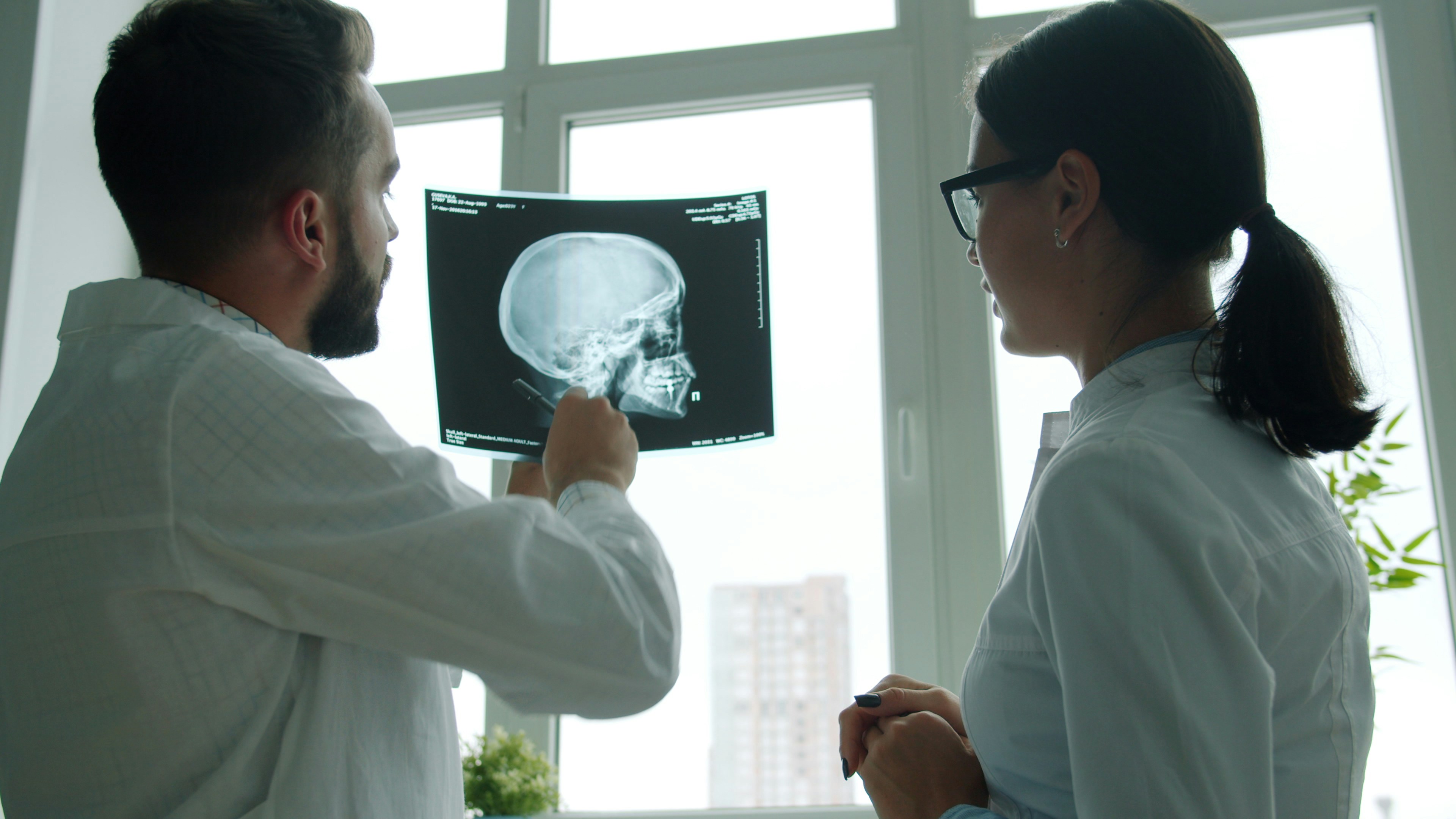
Traumatic Brain Injury Claims in Louisiana: The Invisibility Problem
Traumatic brain injuries span a clinical spectrum from concussions producing temporary cognitive disruption to severe injuries causing permanent cognitive impairment, paralysis, or death. What they all share is an invisibility problem: the most devastating functional consequences of TBI frequently produce no visible evidence on standard imaging, making these injuries uniquely contested by insurance companies whose hired medical examiners routinely characterize them as exaggerated or non-existent.
Louisiana personal injury law requires that TBI causation be established through competent, credentialed expert medical testimony. Our attorneys build TBI cases around a comprehensive medical expert team from the earliest stages of representation, establishing the objective neurological evidence that makes our clients' claims irrefutable.
The Economic Reality of Serious TBI in Louisiana
The economic dimensions of serious TBI extend decades into the future. Brain injury rehabilitation, behavioral management, residential care, and medical management of secondary complications can cost hundreds of thousands of dollars annually for the most severely injured victims. Every dollar of future cost must be projected by a certified life care planner and supported by board-certified specialist testimony to achieve maximum recovery.
A normal CT scan does not mean no brain injury. Many of the most serious and disabling TBIs produce normal emergency imaging. Neuropsychological testing, fMRI, and expert neurological evaluation are required to fully document and prove the injury. We connect every TBI client with this team from day one.
Louisiana courts across Orleans, Jefferson, and St. Tammany parishes have demonstrated consistent willingness to award substantial damages in well-documented TBI cases. Our attorneys' deep familiarity with how these jurisdictions approach brain injury claims informs every case strategy and settlement valuation decision.

How to Protect Your TBI Claim in Louisiana
See a Neurologist Now
Emergency physicians screen for surgical emergencies, not TBI. Only a neurologist or TBI specialist can properly evaluate and document a brain injury for litigation.
Document Symptom Changes
Keep a daily journal of symptoms, cognitive difficulties, sleep disruption, and mood changes. This longitudinal record becomes critical evidence in your TBI case.
Get Neuropsychological Testing
Neuropsychological testing objectively quantifies cognitive deficits that imaging misses. It is the cornerstone of mild TBI documentation in Louisiana courts.
Don't Settle Too Early
TBI permanence must be established before any settlement. Settling before neurological stabilization means leaving lifetime care costs completely uncompensated.
Expert TBI Representation Throughout New Orleans, Covington, and Louisiana
Cossé Law Firm represents TBI clients throughout Louisiana with access to the best neurologists, neuropsychologists, life care planners, forensic economists, and accident reconstruction specialists in the region. We build TBI cases with the comprehensive expert foundation these claims demand, and we never encourage early settlement before the full neurological and economic picture is established.
No Upfront Costs. No Fees Unless We Win.
Our contingency fee representation means no upfront costs, no charges for litigation expenses, and no attorney fees unless and until we win your TBI case. Contact Cossé Law Firm today for a free, confidential consultation.
Got Questions?
Frequently Asked Questions

A traumatic brain injury personal injury claim in Louisiana is evaluated under the same negligence framework as all other personal injury claims — the plaintiff must establish that the defendant owed a duty of care, breached that duty, and that the breach proximately caused the TBI and resulting damages. What makes TBI claims legally complex is the challenge of proving the injury itself, establishing causation between the accident and the specific neurological deficits claimed, and quantifying damages that include significant future medical costs and non-economic losses that must be projected decades into the future.
Louisiana courts require that TBI causation be established through competent medical expert testimony. A neurologist or neuropsychologist must testify that, to a reasonable degree of medical certainty, the accident caused the specific brain injury documented in the plaintiff's clinical evaluation and testing. This requires a careful temporal connection between the accident and symptom onset, ruling out alternative causes, and documenting objective neurological findings that corroborate the claimed symptoms. Insurance companies retain their own medical experts who frequently challenge TBI diagnoses, particularly for mild TBI where imaging may appear normal. Anticipating and preparing to counter these defense expert opinions is a central focus of our TBI litigation preparation.
The duration and cost of TBI treatment varies enormously based on injury severity. Mild TBI and post-concussion syndrome may require neurological evaluation, neuropsychological testing, and symptom management over a period of three to twelve months, with total treatment costs ranging from several thousand to tens of thousands of dollars depending on specialist involvement and the persistence of symptoms. Moderate TBI typically requires more extensive acute care, comprehensive rehabilitation, and longer-term neurological and psychiatric management, with treatment costs commonly in the hundreds of thousands of dollars range over the course of treatment.
Severe TBI causing significant permanent cognitive impairment, behavioral dysregulation, or physical disability generates the most extraordinary lifetime costs. Patients requiring continuous supervision, behavioral management, and long-term residential care can accumulate lifetime medical and care costs exceeding several million dollars when projected over a full life expectancy. These lifetime costs must be carefully calculated by a certified life care planner working with the treating medical team and projecting costs based on current medical standards and anticipated medical price inflation. Our attorneys retain certified life care planners in every serious TBI case to ensure the complete lifetime cost of treatment is documented, supported by expert testimony, and included in every settlement demand and trial presentation.
Yes — and this is one of the most important and often overlooked dimensions of TBI personal injury representation. Moderate to severe TBI can significantly impair a victim's memory, attention, communication abilities, and capacity to make complex decisions, creating genuine challenges in participating meaningfully in their own legal case. Clients may have difficulty accurately recalling events before and after the accident, struggle to consistently communicate symptoms and limitations to their attorneys, and may not fully understand or be able to evaluate settlement proposals presented to them.
Louisiana law provides protective mechanisms for incapacitated individuals including the appointment of a curator or legal representative who can act on behalf of a TBI victim who lacks the capacity to manage their own affairs. Our attorneys work closely with families and treating physicians to understand each client's functional capacities and adapt our communication, representation, and decision-making processes accordingly. We ensure that family members who serve as primary caregivers are fully informed about the case status and involved in all significant decisions. For clients whose injury has rendered them legally incapacitated, we work with families to establish the appropriate legal framework for representation. Protecting our most vulnerable TBI clients requires the highest standard of care in every interaction.
Comprehensive neurological documentation of a traumatic brain injury for personal injury litigation purposes requires a carefully assembled battery of evaluations that collectively provide objective, measurable evidence of brain injury and its functional consequences. Standard CT imaging obtained in emergency departments is primarily useful for ruling out acute surgical emergencies like hemorrhage and should not be relied upon to diagnose or exclude TBI — the majority of clinically significant mild to moderate TBIs produce normal or minimally abnormal CT findings.
MRI provides superior soft tissue resolution and is the standard imaging modality for documenting post-traumatic brain changes including diffuse axonal injury, contusions, and white matter abnormalities. Functional MRI and quantitative MRI techniques can detect subtle neurological changes invisible on conventional imaging and are increasingly used in complex TBI litigation. SPECT neuroimaging provides functional rather than structural assessment and can demonstrate areas of reduced perfusion corresponding to the patient's clinical deficits. Neuropsychological testing by a licensed neuropsychologist is the cornerstone of mild TBI documentation — this standardized battery of cognitive assessments quantifies deficits in memory, processing speed, attention, executive function, and other cognitive domains, providing objective numerical data that clearly demonstrates functional impairment even when structural imaging appears normal.
A traumatic brain injury personal injury case in Louisiana proceeds through a series of well-defined phases, each with its own strategic requirements. Following the accident and initial medical treatment, your attorney immediately begins the investigation phase: securing accident scene evidence, preserving electronic data, retaining accident reconstruction experts, and obtaining all available police and incident reports. Simultaneously, medical documentation begins with neurology referrals, neuropsychological testing, and advanced brain imaging to establish the objective evidence of injury.
The pre-litigation negotiation phase typically begins after the injured person has reached maximum medical improvement and all future medical costs have been projected by a certified life care planner. At this point, your attorney prepares a comprehensive settlement demand package including all medical records, expert opinions, life care plan, economic loss analysis, and supporting documentation, and presents it to the defendant's insurer with a demand for full compensation. Insurers frequently counter with inadequate offers, and skilled negotiation supported by credible trial preparation produces better outcomes than simply accepting the first counter.
If negotiation does not produce an acceptable settlement — which occurs in a meaningful percentage of serious TBI cases — your attorney files a formal lawsuit in Louisiana district court, initiating the formal litigation phase with its discovery process, expert witness depositions, pre-trial motions, and ultimately trial. The entire process from accident to trial verdict in a contested TBI case typically takes two to four years. Our attorneys advise every TBI client honestly about this timeline and provide regular updates throughout the process.
A mild TBI — commonly called a concussion — carries the same legal framework as any other brain injury classification but presents distinct evidentiary challenges because the imaging studies that most people associate with serious brain injury frequently appear normal. Insurance companies exploit normal imaging findings aggressively, arguing that if the MRI and CT are normal there cannot be a significant brain injury. This argument is medically inaccurate — the neurological disruption in mild TBI is primarily at the microscopic and functional level, not the structural level that standard imaging captures.
The keys to proving a mild TBI case in Louisiana are neuropsychological testing that objectively quantifies cognitive deficits, advanced neuroimaging where appropriate including functional MRI and SPECT studies that demonstrate functional abnormalities, and comprehensive documentation of how the cognitive symptoms affect the victim's daily life and occupational performance. The combination of objective neuropsychological data, treating neurologist opinions, and compelling lay testimony from family members and coworkers who observed the behavioral changes before and after the injury creates a TBI case that withstands insurance company scrutiny.
Mild TBI cases can generate very substantial recoveries in Louisiana when properly documented and presented — particularly for victims in cognitively demanding occupations where even subtle cognitive slowing, memory impairment, or concentration difficulties translate directly into reduced professional performance and earning capacity. Our attorneys handle mild TBI cases with the same comprehensive expert approach we apply to the most severe TBI injuries, because the impact on the victim's life — not the imaging appearance — determines the true value of the claim.
Sports-related TBIs occurring in organized sports programs — including youth football, high school and college contact sports, and adult recreational leagues — can generate personal injury claims in Louisiana when the injury results from another participant's illegal or intentionally harmful conduct, or when an organization failed to implement required concussion protocols. Louisiana youth sports organizations and school athletic programs are subject to the Louisiana Sports Concussion Oversight Team's return-to-play protocols, and failure to follow these protocols following a known or suspected concussion can generate institutional liability when the failure to observe protocols leads to further injury.
The more common sports-related TBI litigation involves claims against helmet manufacturers when defective helmet construction or design contributed to the brain injury, particularly in cases where biomechanical analysis demonstrates that the helmet failed to provide the protection its design was intended to deliver. Football helmet litigation has established significant product liability precedents nationally, and Louisiana plaintiffs have access to these frameworks for claims involving both youth and adult sports equipment failures.
Workplace TBIs — including those suffered by construction workers, maritime workers, and industrial employees — generate both workers' compensation claims and, in cases involving third-party negligence, personal injury claims. Louisiana's petrochemical corridor and active construction industry produce significant numbers of occupational TBIs each year. Our attorneys analyze every workplace TBI case for third-party liability opportunities that dramatically expand the compensation available beyond what workers' compensation alone provides.
Neuropsychological rehabilitation programs represent a critical component of both the medical recovery and the legal claims process for Louisiana TBI victims. Cognitive rehabilitation therapy — conducted by occupational therapists and neuropsychologists who specialize in brain injury recovery — uses evidence-based techniques to retrain cognitive functions including attention, memory, executive function, and processing speed that have been impaired by the TBI. The cost of comprehensive cognitive rehabilitation programs ranges from tens of thousands to hundreds of thousands of dollars depending on the intensity and duration of treatment required.
Speech therapy addresses the language processing, verbal communication, and reading comprehension deficits that frequently accompany TBI at multiple severity levels. Behavioral rehabilitation addresses the personality changes, impulsivity, emotional dysregulation, and anger management difficulties that characterize moderate to severe TBI and that often represent the most practically disruptive consequences for family relationships and community reintegration. Physical and occupational therapy addresses the motor coordination, balance, and fine motor skill deficits that accompany many TBI injuries.
The total cost of comprehensive TBI rehabilitation — including all of these therapy disciplines over the months to years required for maximum recovery — must be fully projected by a certified life care planner and included in the personal injury damages calculation. Insurance companies routinely challenge rehabilitation costs as excessive or unnecessary, and having a board-certified TBI rehabilitation specialist testify about the medical necessity and clinical basis for the projected treatment program is essential to defending these damage categories at trial or in settlement negotiation. Our attorneys build these expert records proactively in every serious TBI case.
Children and adolescents who sustain traumatic brain injuries in vehicle accidents, sports incidents, and other trauma events in Louisiana face unique developmental consequences that make their TBI cases both medically distinct and legally more complex than adult cases. The developing brain is simultaneously more plastic — capable of greater compensation and recovery through neurological reorganization — and more vulnerable to lasting developmental disruption when injury occurs during critical periods of brain maturation. TBI during adolescence can derail the normal development of executive function, emotional regulation, and social cognition in ways that affect academic performance, vocational trajectory, and personal relationships throughout adulthood.
Louisiana law protects minor injury victims through the tolling of the prescriptive period until the child reaches 18 years of age. This means that a child injured at age 10 has until age 19 to file a personal injury claim — but the practical reality is that early legal representation dramatically improves outcomes by preserving evidence, ensuring proper medical documentation, and protecting the child's legal interests throughout the treatment and development period. A parent or legal guardian must pursue any personal injury claim on behalf of a minor child.
The economic damages in pediatric TBI cases are often even larger than in adult cases because the lifetime impact of developmental disruption compounds over a longer projected working life. A child whose TBI disrupts normal cognitive development and limits adult occupational achievement loses a greater number of working years at a lower income than an adult who sustains the same injury near retirement. Our attorneys build pediatric TBI damages cases with pediatric neurologists, developmental psychologists, and forensic economists who understand these unique considerations.
PTSD and other psychological conditions following traumatic brain injury are fully compensable in Louisiana personal injury cases as a recognized component of the non-economic damages claim. Brain injury-related psychological conditions are not merely emotional reactions to a difficult situation — they are neurobiological consequences of the brain injury itself, reflecting disruptions in the neural circuits that regulate emotion, threat response, and mood that result directly from the physical trauma to the brain. This neurobiological basis for post-TBI psychiatric conditions is well-established in the medical literature and must be clearly explained to Louisiana juries and mediators to overcome any skepticism about psychological damage claims.
Documentation of PTSD and other psychological conditions requires evaluation and diagnosis by a board-certified psychiatrist or licensed psychologist with expertise in trauma psychology and TBI-related mental health conditions. The psychiatrist's diagnosis, supported by standardized psychological assessment instruments, detailed clinical observation, and the patient's symptom history, provides the evidentiary foundation for the psychological damage claim. Treating therapist notes documenting the frequency, content, and progress of psychotherapy for TBI-related psychological conditions supplement the diagnostic evidence with longitudinal treatment documentation.
The real-world functional impact of post-TBI PTSD — including the inability to drive, avoidance of activities associated with the accident, relationship disruption, hypervigilance in daily life, intrusive flashbacks, and the psychological burden of managing a permanently changed neurological self — must be compellingly presented through the victim's own testimony, family member accounts, and expert medical opinion. These functional consequences connect the diagnostic label to the concrete changes in the victim's life that Louisiana juries can recognize and compensate. Our attorneys present psychological damages with the same expert rigor we apply to every other damage category.
As soon as I walked in the door at Cossé Injury Lawyers, I knew they had my back.
Win your case
Contact a Cossé Attorney to Take Control of Your Case