
Louisiana Defective Product Lawyers | Products Liability Act Attorneys
Defective products injure thousands of Louisianans every year. Manufacturers are strictly liable when their products cause harm. We have the engineering experts and legal expertise to prove it.
$5M+
Recovered in defective product cases
LPLA
Strict liability — no proof of carelessness required
No Fee
Unless we win your case
Win your case
Contact a Cossee Attorney to Take Control of Your Case
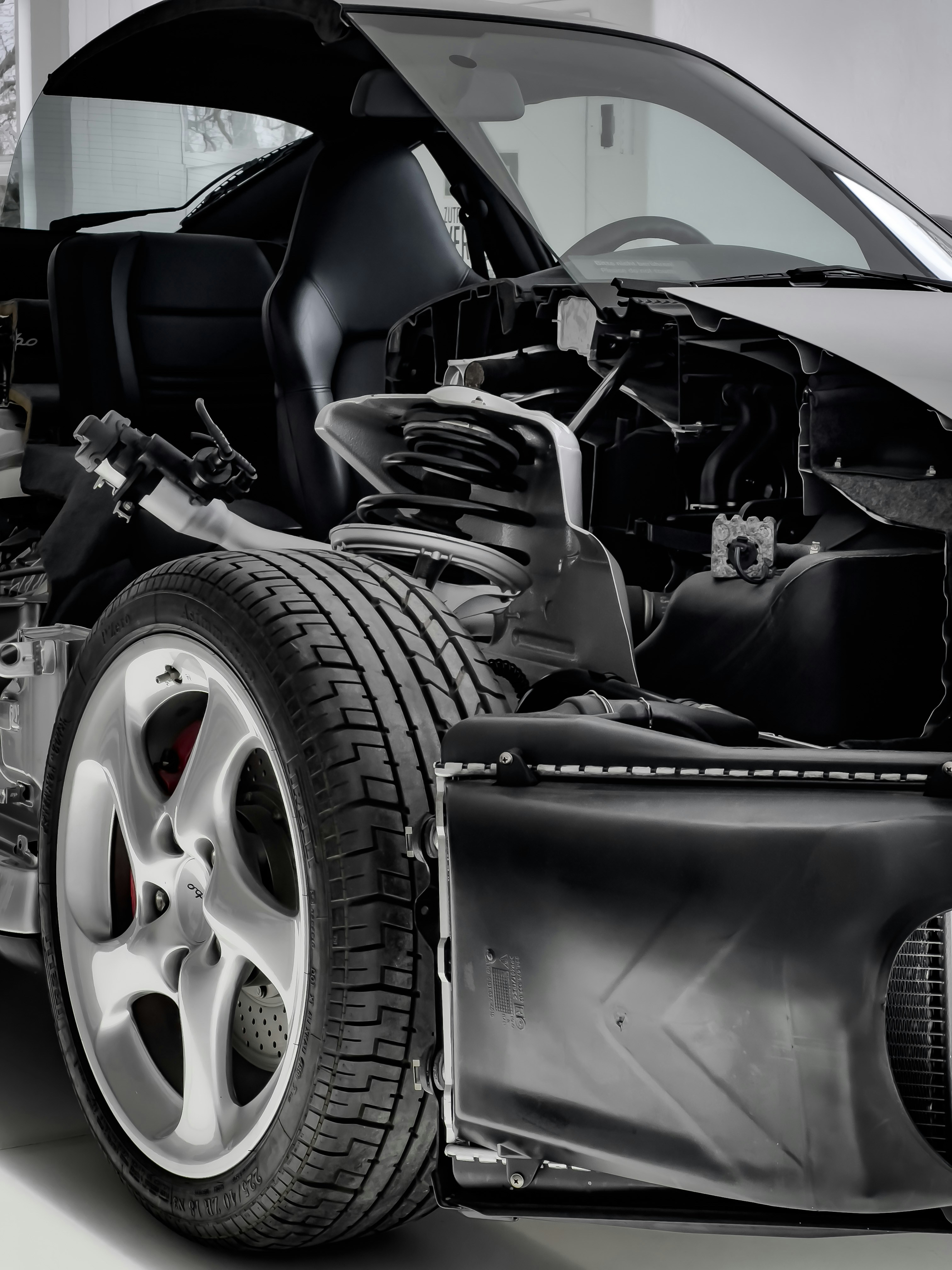
Louisiana Defective Product Claims: Strict Liability Under the LPLA
Under Louisiana's Products Liability Act, manufacturers bear strict liability when a defective product causes injury during reasonably anticipated use — without requiring the injured person to prove that the manufacturer was careless or negligent in the conventional sense. This strict liability framework focuses on what the product did rather than on the internal manufacturing processes of the company that made it.
The spectrum of defective products that generate Louisiana personal injury claims is extraordinarily broad. Automotive defects, medical device failures, consumer product defects in power tools and battery-operated devices, and children's product failures all generate claims against manufacturers ranging from straightforward design defect cases to complex mass tort proceedings.
The Most Important Step: Preserving the Defective Product
Preserving the defective product is the single most important action any Louisiana product liability victim can take. The product itself is the primary evidence in any product liability case. Returning it to the manufacturer, allowing it to be repaired, or disposing of it before your attorney has retained a technical expert for independent examination eliminates the most powerful evidence available.
The product is the evidence. Do not repair it, return it, or dispose of it under any circumstances. Contact a Louisiana product liability attorney before responding to any recall notice, before allowing any inspection by the manufacturer's representatives, and before making any statement about the incident to the manufacturer or its insurer.
Louisiana's LPLA peremptive periods — three years from the injury and ten years from initial product delivery — are absolute deadlines that cannot be extended by any legal doctrine. This makes prompt legal consultation essential in any product injury case.

Defective Product Injury: Your Critical First Steps
Preserve the Defective Product
The product is the evidence. Do not repair, return, or dispose of it under any circumstances until your attorney has retained a technical expert to conduct an independent examination.
Keep All Packaging and Documentation
Original packaging, instruction manuals, warning labels, warranty cards, and purchase receipts are all relevant evidence. Preserve every document that came with the defective product.
Document Your Injuries Promptly
Ensure your treating physicians document the connection between the defective product and your specific injuries in medical records from the first treatment visit.
Issue Litigation Hold Letters Early
We send immediate litigation hold letters to manufacturers obligating them to preserve internal safety testing data, complaint histories, and design documentation relevant to your defect claim.
Comprehensive Defective Product Representation Throughout Louisiana
Cossé Law Firm pursues defective product claims against manufacturers throughout Louisiana and nationally with access to engineering experts, materials scientists, FDA regulatory specialists, and the product liability legal expertise needed to overcome manufacturers’ defenses and achieve maximum compensation.
Free Consultation. No Fees Unless We Win.
Contact us today. No upfront fees. No charges for case costs. No attorney fees unless we win your defective product case.
Got Questions?
Frequently Asked Questions

A defective product claim in Louisiana must be filed within one year of the injury under the LPLA's prescriptive period, which runs from the date of the injury or the date the injured person discovered or should have discovered the injury and its connection to the defective product. Louisiana also imposes a peremptive period of three years from the date of the injury and ten years from the date the product was first delivered to its initial user or consumer. Once either peremptive period expires, the claim is extinguished permanently and cannot be revived by any legal doctrine, including minority, incapacity, or fraudulent concealment.
The distinction between the one-year prescriptive period and the peremptive periods is critical. The prescriptive period can be interrupted by filing suit or making an extrajudicial demand, while the peremptive periods are absolute and cannot be interrupted or tolled by any action of the plaintiff. For products that have been in use for many years before causing an injury — including certain industrial equipment, medical devices implanted years before failing, and construction materials — the ten-year peremptive period may have expired before the injury occurs, potentially barring the claim entirely. Medical device and pharmaceutical drug product liability claims frequently present complex timing issues requiring immediate legal consultation to evaluate whether any available claim period remains.
Consumer products that cause personal injury in Louisiana generate product liability claims under the LPLA that can be pursued against manufacturers, importers, and in some circumstances distributors and retailers. Defective power tools — including angle grinders, circular saws, and nail guns with inadequate guards or safety mechanisms — cause severe laceration, amputation, and eye injuries in both construction and consumer use settings. Defective ladders that collapse, break, or tip under normal use conditions generate serious fall injury claims against manufacturers when structural or design defects are identified.
E-cigarettes and vaping devices with defective lithium-ion battery systems have caused serious facial, hand, and body burn injuries when batteries overheat and explode during normal use. Children's products including defective car seats, strollers, cribs, and toys with choking hazards or flammable materials generate significant liability claims when children are harmed during normal product use. Defective household appliances including washing machines, dryers, dishwashers, and gas ranges cause fires and burn injuries when defective components fail during normal operation. Contaminated food and dietary supplements cause serious illness and injury when manufacturers fail to maintain the sanitary conditions and quality controls required to keep their products safe for consumption. Our attorneys evaluate every consumer product that causes injury for potential LPLA defect claims.
A defective product recall does not automatically provide compensation to injury victims — it simply confirms that the product is defective and creates a formal remediation program managed by the manufacturer. Recall programs typically offer product repair, replacement, or refund for the defective item itself, but do not provide any compensation for personal injuries caused by the defect before the recall was initiated. To obtain compensation for injuries caused by a defective product, an injured person must pursue an independent personal injury claim under Louisiana's LPLA regardless of whether a recall has been issued.
The existence of a recall strengthens your personal injury claim by providing official governmental or manufacturer confirmation that the product was defective and unsafe — evidence that directly supports the unreasonably dangerous element of your LPLA claim. Recall documentation including the manufacturer's recall notice, the NHTSA, CPSC, or FDA recall announcement, and any internal manufacturer communications that preceded the recall are discoverable in litigation and frequently reveal when the manufacturer first became aware of the defect — information that can support punitive damage claims when the manufacturer delayed issuing the recall despite knowing of the injury risk. Do not participate in a recall program or return the defective product without first consulting a Louisiana product liability attorney who can advise you on preserving your injury claim.
Yes — if you have joined a class action lawsuit related to a defective product that injured you, you have important decisions to make about whether to remain in the class, opt out to pursue individual litigation, or await the outcome before making a decision. Class action membership is often appropriate for plaintiffs who suffered minor or moderate injuries and whose individual claims would be difficult or economically impractical to litigate independently. However, class action settlements frequently undervalue serious injury claims because settlement amounts are averaged across all class members and are not individualized to the severity and permanence of specific plaintiffs' injuries.
Individual Louisiana product liability litigation typically produces significantly better outcomes for plaintiffs with serious, permanent injuries who have high medical costs, substantial lost earning capacity, and significant non-economic losses. A plaintiff who sustained a permanent disability from a defective hip replacement and has several million dollars in documented lifetime damages will almost certainly receive a higher net recovery from individual litigation than from a share of a global class action settlement designed to efficiently resolve thousands of claims across the entire spectrum of injury severity. Louisiana courts provide a favorable forum for seriously injured product liability plaintiffs, and our attorneys have the resources and expertise to pursue individual LPLA claims against major manufacturers through Louisiana state court proceedings.
The actions you take in the hours and days following a defective product injury can profoundly affect the strength of your Louisiana product liability claim. The single most important immediate step is to preserve the defective product exactly as it is, without any repair, modification, or disposal. The defective product itself is almost always the most critical piece of physical evidence in a product liability case — it is the tangible proof of the defect that caused your injury, and without it, your claim becomes dramatically more difficult to prove against well-resourced manufacturers and their technical experts.
Preserve the product's original packaging, instruction manuals, warning labels, warranty documentation, and any receipts or purchase records. Photograph the product from every angle before moving it, documenting all visible damage, failure points, and the surrounding scene where the injury occurred. Do not allow anyone to repair or inspect the product until your attorney has had the opportunity to retain your own technical expert to conduct an independent examination. Never send the product back to the manufacturer or retailer in response to a recall or voluntary return request without first consulting an attorney.
Seek immediate medical attention and ensure that your treating physicians document the connection between the defective product and your specific injuries in their medical records. Vague injury descriptions in emergency records weaken causation arguments later in litigation. Collect contact information from any witnesses who observed the product failure or the accident. Contact a Louisiana product liability attorney as soon as possible — our attorneys issue litigation hold letters to manufacturers and distributors immediately upon retaining, legally obligating them to preserve all internal records, testing data, and complaint histories that may be critical to your case.
A product recall is an action taken by a manufacturer, sometimes voluntarily and sometimes at the direction of a federal agency such as the National Highway Traffic Safety Administration, the Consumer Product Safety Commission, or the Food and Drug Administration, to remove a product from commerce and notify consumers of a defect or safety risk. Recalls are initiated when manufacturers or regulators determine that a product presents an unreasonable safety risk under normal conditions of use. Common recall triggers include reports of injuries or deaths associated with the product, identification of a design or manufacturing defect through safety testing, or discovery of a failure-to-warn issue affecting consumer safety.
The existence of a recall affecting the specific product that injured you is very significant evidence in a Louisiana product liability lawsuit. A recall is essentially a public, official acknowledgment by the manufacturer that the product is defective and poses a safety risk — evidence that directly supports your unreasonably dangerous claim under the LPLA. Recall notices and all associated manufacturer communications are discoverable in litigation and often reveal the extent of the manufacturer's prior knowledge of the defect and the timeline of when they knew versus when they acted.
However, a recall is not required for a successful product liability claim in Louisiana. Many seriously defective products that cause injuries have never been formally recalled, particularly when the defect affects a limited production run, when the manufacturer has chosen to conceal the defect, or when not enough injuries have yet been reported to trigger regulatory action. Our attorneys pursue product liability claims aggressively regardless of whether a recall exists, using internal corporate documents, industry safety standards, and expert engineering analysis to establish that the product was unreasonably dangerous under the LPLA's four recognized defect categories.
Yes — you can potentially file a product liability claim in Louisiana for injuries caused by products that are several years old, but Louisiana's unique timing framework for product liability claims under the LPLA makes it essential to consult an attorney immediately regardless of when the injury occurred. The standard one-year prescriptive period runs from the date of the injury or the date you knew or should have known the injury was caused by the product's defect. This prescriptive period is tolled by the discovery rule when the connection between the injury and the product defect was not reasonably apparent at the time of injury.
However, Louisiana's LPLA also imposes a peremptive period — a hard outer deadline that cannot be extended by any legal doctrine — of three years from the date of the injury and ten years from the date the product was first delivered to its initial user or consumer. The ten-year peremptive period means that if a product has been in use for more than ten years at the time of the injury, the claim may be extinguished regardless of when the injury occurred. This outer time limit is significantly shorter than in many other states and must be carefully analyzed in every Louisiana product liability case involving older products.
Medical device cases, pharmaceutical cases, and cases involving products with long useful service lives — including industrial equipment, automotive components, and construction materials — frequently raise complex timing questions that require careful legal analysis of when the prescriptive period began running, whether any tolling doctrines apply, and whether the ten-year peremptive period has expired. Our attorneys analyze the timing framework in every product liability case at the outset to ensure your claim is filed within all applicable deadlines and to identify any timing-based arguments that may affect your case strategy.
Multidistrict litigation is a federal court procedure that consolidates large numbers of similar personal injury cases from across the country into a single federal district court for coordinated pretrial proceedings. MDL is commonly used in major product liability cases involving defective medical devices, dangerous pharmaceutical drugs, and defective consumer products that have injured large numbers of people nationwide. Current and recent MDL proceedings have involved transvaginal mesh, hernia mesh, metal-on-metal hip replacements, talcum powder, opioid manufacturers, and various pharmaceutical drugs with undisclosed serious side effects.
Being part of an MDL offers some advantages, including access to shared discovery of the manufacturer's internal documents and expert witness resources developed by the plaintiffs' leadership committee. However, MDL settlement structures often result in individual claimants receiving compensation that significantly undervalues their specific injuries, particularly for those with the most serious and permanent harm who are lumped into global settlement matrices designed for aggregate efficiency rather than individual justice.
Our attorneys carefully evaluate in every serious product liability case whether the client's interests are best served by remaining in an MDL proceeding, opting out of an MDL settlement to pursue individual litigation, or filing directly in Louisiana state court where the case may be resolved outside the federal MDL system entirely. Individual Louisiana state court litigation frequently produces better outcomes for seriously injured product liability plaintiffs than participation in mass MDL settlements, particularly for clients with catastrophic injuries, significant permanent disability, and high lifetime medical costs that are systematically undervalued in global settlement matrices. We advise every client honestly about the strategic advantages and disadvantages of every available litigation path.
A defective product claim in Louisiana must be filed within one year of the injury under the LPLA's prescriptive period, which runs from the date of the injury or the date the injured person discovered or should have discovered the injury and its connection to the defective product. Louisiana also imposes a peremptive period of three years from the date of the injury and ten years from the date the product was first delivered to its initial user or consumer. Once either peremptive period expires, the claim is extinguished permanently and cannot be revived by any legal doctrine, including minority, incapacity, or fraudulent concealment.
The distinction between the one-year prescriptive period and the peremptive periods is critical. The prescriptive period can be interrupted by filing suit or making an extrajudicial demand, while the peremptive periods are absolute and cannot be interrupted or tolled by any action of the plaintiff. For products that have been in use for many years before causing an injury — including certain industrial equipment, medical devices implanted years before failing, and construction materials — the ten-year peremptive period may have expired before the injury occurs, potentially barring the claim entirely. Medical device and pharmaceutical drug product liability claims frequently present complex timing issues requiring immediate legal consultation to evaluate whether any available claim period remains.
Consumer products that cause personal injury in Louisiana generate product liability claims under the LPLA that can be pursued against manufacturers, importers, and in some circumstances distributors and retailers. Defective power tools — including angle grinders, circular saws, and nail guns with inadequate guards or safety mechanisms — cause severe laceration, amputation, and eye injuries in both construction and consumer use settings. Defective ladders that collapse, break, or tip under normal use conditions generate serious fall injury claims against manufacturers when structural or design defects are identified.
E-cigarettes and vaping devices with defective lithium-ion battery systems have caused serious facial, hand, and body burn injuries when batteries overheat and explode during normal use. Children's products including defective car seats, strollers, cribs, and toys with choking hazards or flammable materials generate significant liability claims when children are harmed during normal product use. Defective household appliances including washing machines, dryers, dishwashers, and gas ranges cause fires and burn injuries when defective components fail during normal operation. Contaminated food and dietary supplements cause serious illness and injury when manufacturers fail to maintain the sanitary conditions and quality controls required to keep their products safe for consumption. Our attorneys evaluate every consumer product that causes injury for potential LPLA defect claims.
As soon as I walked in the door at Cossé Injury Lawyers, I knew they had my back.
Win your case
Contact a Cossé Attorney to Take Control of Your Case