
Louisiana Whiplash Injury Lawyers | Cervical Spine Accident Claims
Whiplash is real, documented, and often seriously disabling. Insurers call it minor. We build the objective medical evidence that proves the true impact on your life and livelihood.
$2M+
Recovered in whiplash and cervical injury cases
Objective
Medical evidence — not just your word against theirs
No Fee
Unless we recover compensation for you
Win your case
Contact a Cossee Attorney to Take Control of Your Case
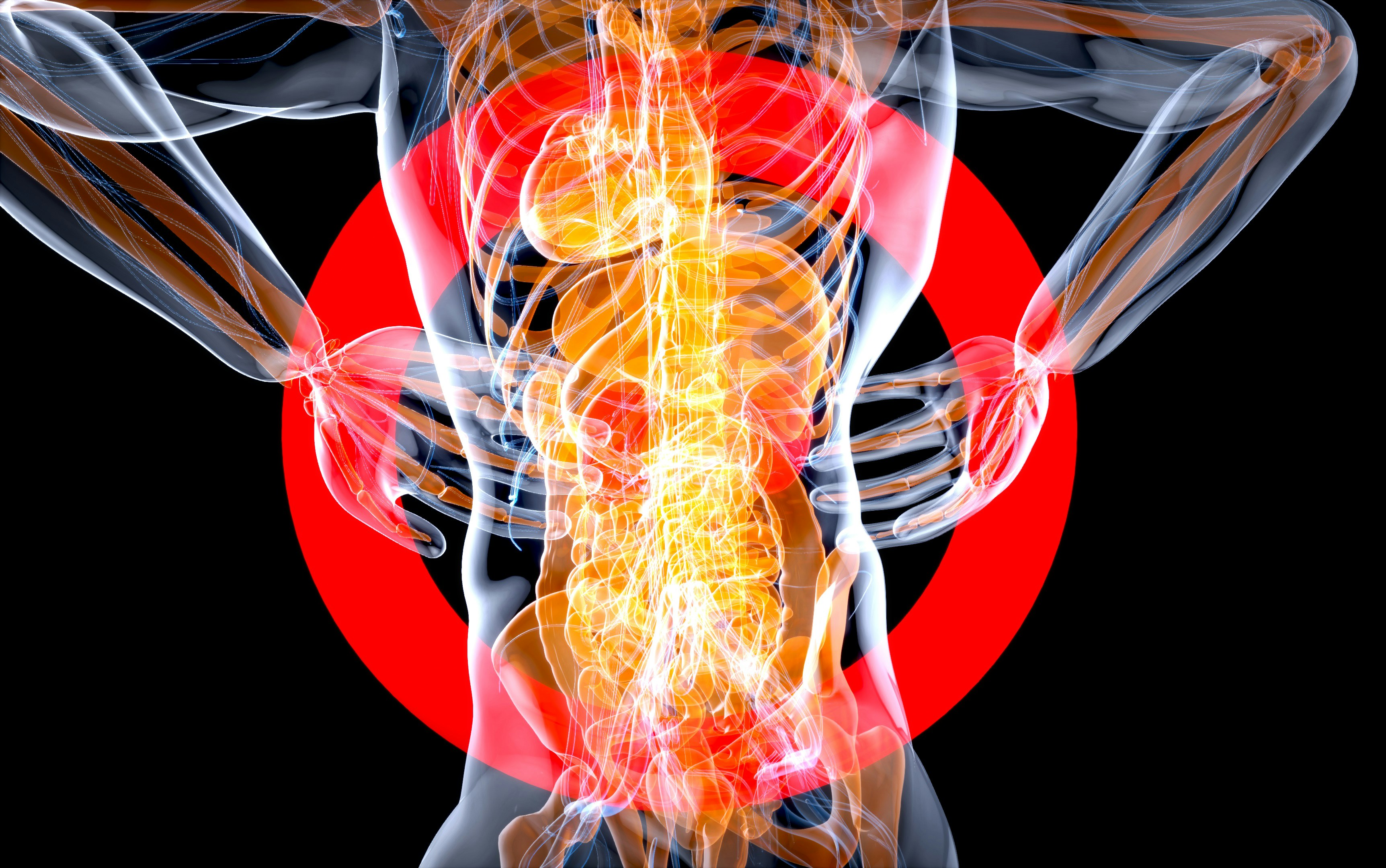
Whiplash Claims in Louisiana: Overcoming the Minimization Narrative
Whiplash-associated disorder is one of the most contested injury types in Louisiana personal injury law because insurance companies have systematically invested in the narrative that soft tissue cervical injuries are minor, subjective, and frequently exaggerated. This narrative is medically inaccurate, legally unsupported, and consistently refuted by the objective clinical and neuropsychological evidence that our attorneys develop for every whiplash case.
The acute whiplash injury — the sudden forced flexion-extension of the cervical spine — produces a combination of muscle strain, ligamentous micro-tears, disc annular tears, and in more severe cases frank disc herniations. The degree of injury does not correlate linearly with the amount of vehicle damage, because occupant injury is determined by forces transmitted to the occupant rather than energy absorbed by the vehicle structure.
Chronic Whiplash Syndrome: When Symptoms Persist
Chronic whiplash syndrome — defined by the persistence of significant symptoms beyond six months despite appropriate treatment — affects a substantial minority of acute whiplash patients and represents a significantly more disabling condition than the insurance industry's preferred characterization suggests. The neurobiological mechanisms of central sensitization that underlie chronic whiplash are increasingly well-documented and support the medical credibility of long-term complaints.
A whiplash injury that goes untreated or undertreated will not only worsen your physical condition — it will also weaken your legal claim. We connect you with the right specialists from the first day of representation to ensure your injury is properly diagnosed, documented, and valued at its full worth.
Our attorneys fight whiplash minimization arguments with functional capacity evaluations, neuropsychological testing, board-certified spine specialist opinions, and longitudinal medical records that make the whiplash claim impossible to dismiss.

Protecting Your Whiplash Injury Claim
Seek Specialist Care
General practitioners and ERs provide initial care — but a board-certified spine specialist's documentation is what makes a whiplash claim defensible in litigation.
Get a Cervical MRI
Whiplash can cause disc herniations that don't appear until MRI is obtained. Always get cervical spine imaging after any rear-end or side-impact crash with neck symptoms.
Document Daily Impact
Keep a symptom journal. Document every headache, every missed activity, every night of disrupted sleep. This daily record is powerful evidence of ongoing disability.
Don't Minimize Your Symptoms
When doctors and insurers ask how you're doing, be honest about your pain levels. Understating symptoms to appear stoic weakens your whiplash injury claim.
Full-Value Whiplash Representation Throughout Louisiana
Cossé Law Firm represents whiplash injury clients throughout Louisiana with the objective medical documentation, expert testimony, and legal skill that makes soft tissue cervical claims impossible for insurance companies to minimize. We handle whiplash cases ranging from moderate injuries resolving with conservative treatment to chronic disabling cervical syndromes requiring lifetime management.
No Fees Unless We Win. Contact Us Today.
No fees unless we win. No upfront costs. No charges for litigation expenses. Contact us today for a free consultation about your whiplash injury and what Cossé Law Firm can do to ensure you receive the full compensation Louisiana law entitles you to.
Got Questions?
Frequently Asked Questions

Whiplash is a soft tissue injury caused by the rapid back-and-forth motion of the neck — resembling the cracking of a whip — that occurs during rear-end collisions, side-impact crashes, and other sudden acceleration-deceleration events. This motion overstretches and tears the muscles, tendons, and ligaments of the cervical spine and surrounding soft tissues, causing the characteristic pain and functional limitation pattern known as whiplash-associated disorder. Symptoms typically include neck pain and stiffness, headaches originating at the base of the skull, reduced range of motion in the cervical spine, shoulder and upper back pain, fatigue, and in more severe cases, arm pain and numbness from associated nerve root involvement.
In Louisiana personal injury cases, whiplash claims are frequently contested by insurance companies who characterize these injuries as minor, subjective, and difficult to prove objectively. In reality, whiplash injuries exist on a spectrum from mild, self-limiting cases that resolve within weeks to severe, chronic cases involving disc herniations, ligamentous instability, and persistent neurological symptoms that significantly impair daily function for years. Our attorneys build whiplash cases using comprehensive medical documentation, diagnostic imaging, functional capacity evaluations, and expert testimony that clearly demonstrates the objective basis and real-world impact of even soft-tissue cervical spine injuries.
Proving the full value of a whiplash injury in Louisiana requires overcoming the insurance industry's systematic effort to minimize soft tissue neck injuries as subjective and temporary. The foundation of every successful whiplash claim is consistent, prompt medical treatment with board-certified specialists who document the objective clinical findings — restricted range of motion measurements, neurological examination abnormalities, palpation findings, and response to treatment — at every visit. Relying solely on emergency department evaluations and general practitioner notes typically produces an inadequate medical record for litigation purposes.
MRI of the cervical spine should be obtained promptly in any whiplash case involving neurological symptoms, arm pain or numbness, or persistent headaches to document any associated disc injuries that may be contributing to or causing the claimed symptoms. EMG and nerve conduction studies objectively confirm nerve root involvement when radicular symptoms are present. Physical therapy progress notes documenting the patient's functional limitations, pain levels, and treatment response over time create a longitudinal record of ongoing disability. Functional capacity evaluations performed by occupational therapists objectively quantify the physical limitations caused by the whiplash injury in terms of lifting, carrying, reaching, and sustained posture tolerance that directly affect occupational capacity and support lost earning capacity claims.
Louisiana does not impose a separate statute of limitations for whiplash injury claims — these claims are subject to the same one-year prescriptive period applicable to all Louisiana personal injury claims under Civil Code Article 3492. This one-year clock begins running on the date of the accident that caused the whiplash injury, regardless of when you sought medical treatment or when you fully realized the extent of your injuries. The one-year deadline is particularly challenging in whiplash cases because soft tissue injuries frequently present with delayed or worsening symptoms, and victims may believe they are recovering and not realize they have a significant legal claim until weeks after the accident.
The practical message is simple: consult a Louisiana personal injury attorney as soon as possible after any accident causing neck or back pain, even if you believe your injuries are minor. A brief consultation costs nothing and ensures you have professional guidance about your legal options before any deadlines approach. Our attorneys handle whiplash cases on contingency — no fees unless we recover compensation — so there is no financial reason to delay seeking legal advice. Early involvement allows us to preserve evidence, connect you with appropriate medical care, and ensure your claim is documented from the beginning in a way that supports maximum recovery.
Chronic whiplash — also called chronic whiplash-associated disorder or chronic cervical acceleration-deceleration injury — refers to the persistence of whiplash symptoms beyond six months despite appropriate conservative treatment. Research literature suggests that approximately 15 to 40 percent of acute whiplash patients develop chronic symptoms, with a meaningful subset experiencing significant permanent functional limitation. Risk factors for chronic whiplash progression include higher initial pain intensity, greater initial range of motion restriction, initial presence of neurological symptoms, pre-existing disc degeneration at the time of injury, and psychosocial factors including anxiety and poor expectation of recovery.
In Louisiana personal injury cases, chronic whiplash represents a significantly more valuable claim than acute whiplash because it involves permanent or long-lasting functional limitation, ongoing treatment needs projected into the future, potential occupational consequences, and chronic pain that comprehensively affects quality of life. Documenting the chronic nature of the injury requires longitudinal medical records spanning months to years, functional capacity evaluations demonstrating persistent physical limitations, neuropsychological documentation where cognitive symptoms are present, and a treating physician's opinion about the permanence and expected future trajectory of the condition. Our attorneys handle chronic whiplash cases with the same comprehensive expert approach we apply to all permanent injury claims.
A herniated disc and a pinched nerve are closely related but distinct anatomical conditions that are frequently confused in both medical and legal discussions of spinal injury claims. A herniated disc is a structural injury to the intervertebral disc itself — the soft, gel-filled cushioning structure between vertebrae — where the inner nucleus pulposus material pushes through a tear in the outer annular ring. The herniated disc is the structural cause, while a pinched nerve — more precisely called nerve root compression or radiculopathy — is the functional consequence when the herniated disc material presses directly on an adjacent nerve root as it exits the spinal canal.
A patient can have a herniated disc visible on MRI without experiencing nerve compression symptoms if the disc material has not migrated into the path of any nerve root. Conversely, a patient experiencing severe radiating pain, numbness, and weakness — classic symptoms of nerve root compression — may have a herniated disc that is clearly impinging on a specific nerve root and causing the full clinical syndrome of radiculopathy. Cervical radiculopathy from neck disc herniations typically causes arm pain, hand numbness, and grip weakness. Lumbar radiculopathy from low back disc herniations typically causes the classic sciatica pattern of pain, numbness, and weakness radiating down one or both legs.
In Louisiana personal injury litigation, the combination of a documented herniated disc on MRI plus objective neurological findings — confirmed by EMG and nerve conduction studies — creates a particularly strong medical foundation for a spinal injury damages claim. Our attorneys connect every spinal injury client with board-certified spine specialists who can properly diagnose, document, and explain these injuries in terms that are compelling and credible to Louisiana juries and mediators.
Yes — in many Louisiana workplace accident cases involving spinal disc injuries, injured workers have the right to file both a workers' compensation claim against their direct employer and a separate personal injury lawsuit against third parties whose negligence contributed to the accident. This dual-recovery opportunity is one of the most financially significant and most frequently overlooked aspects of Louisiana occupational injury law, and it can make the difference between receiving limited workers' compensation benefits and achieving full compensation for the complete scope of your losses.
Workers' compensation in Louisiana provides medical treatment coverage and a percentage of lost wages, but it does not compensate pain and suffering, emotional distress, loss of enjoyment of life, or other non-economic damages. The exclusivity of workers' compensation bars direct personal injury claims against the employer, but it does not bar claims against third parties — including contractors, subcontractors, property owners, equipment manufacturers, or other businesses whose negligence created the hazard that caused your injury. Third-party personal injury claims allow recovery of the full spectrum of economic and non-economic damages without the limitations imposed by workers' compensation statutory schedules.
Construction sites, petrochemical facilities, manufacturing plants, and logistics operations — all significant employment sectors in the New Orleans and Covington areas — regularly involve multiple companies working simultaneously. When an employee of one company is injured by the negligence of another company's employees or by unsafe conditions created by property owners or contractors, a third-party claim is available even while workers' compensation benefits from the direct employer continue. Our attorneys analyze every workplace spinal injury case from both angles to ensure every available avenue of recovery is identified and pursued simultaneously.
Maximum medical improvement — abbreviated as MMI — is the medical milestone at which a treating physician determines that a patient has recovered as much as can reasonably be expected from their injury and that no further significant improvement is likely with continued treatment. MMI does not mean the patient is symptom-free or that no additional treatment will ever be needed — it means the injury has stabilized and the patient's future medical trajectory can now be projected with reasonable certainty. Reaching MMI is the most critical precondition for properly valuing and settling any serious spinal injury claim in Louisiana.
The reason MMI timing is so consequential is straightforward: you cannot settle your claim for future medical costs and future lost earning capacity that you cannot yet calculate. Settling before MMI — which insurance companies actively encourage through early settlement pressure — means accepting compensation calculated on an incomplete and almost always underestimated picture of your future medical needs. If you settle before MMI and subsequently require additional surgeries, ongoing pain management, or further rehabilitation, you bear those costs entirely out of the settlement you already accepted. You cannot reopen the claim.
After MMI is established, a board-certified spine surgeon's opinion about the need for future surgery, injections, and ongoing pain management combined with a certified life care planner's projection of all future costs creates the complete foundation for an accurate and defensible settlement demand. Our attorneys work closely with every spinal injury client's medical team to ensure MMI is properly established on a medically sound basis before any settlement is finalized, protecting every client from the trap of premature settlement that permanently undervalues their claim.
A life care plan is a comprehensive, evidence-based document prepared by a certified life care planner — typically a registered nurse or physician with specialized training in future medical cost projection — that projects every anticipated medical, therapeutic, and support service need for an injury victim over their entire remaining life expectancy. For serious spinal disc injury cases, a life care plan is one of the most important documents in the entire litigation because it provides the factual foundation for the most significant category of economic damages: future medical costs and future care needs that may continue for decades.
A thorough life care plan for a serious lumbar or cervical disc injury case includes the projected cost and frequency of future medical appointments, pain management interventions including repeat epidural steroid injections and nerve blocks, the anticipated number and cost of future surgeries including revision procedures and adjacent level disease surgeries that commonly follow spinal fusion, physical and occupational therapy costs, prescription medications, adaptive equipment and home modifications needed for disability accommodations, and home health aide costs if assistance with daily activities is required.
Without a life care plan, future medical costs must be estimated without systematic expert support — a position that allows defense experts and insurance adjusters to significantly undervalue or outright dismiss future cost claims. With a certified life care planner's comprehensive analysis, every future cost is supported by medical records, treating physician recommendations, published cost data, and the planner's professional credentials and experience. Our attorneys retain certified life care planners in every serious spinal injury case, ensuring that the full value of our clients' future medical needs is documented, defensible, and included in every settlement demand and trial presentation.
As soon as I walked in the door at Cossé Injury Lawyers, I knew they had my back.
Win your case
Contact a Cossé Attorney to Take Control of Your Case